SIXTH ANNUAL AR/VR POLICY CONFERENCE EXPLORES HOW AI AND XR ARE CONVERGING TO POWER THE FUTURE OF WORK, PUBLIC INFRASTRUCTURE, HEALTHCARE, AND MORE
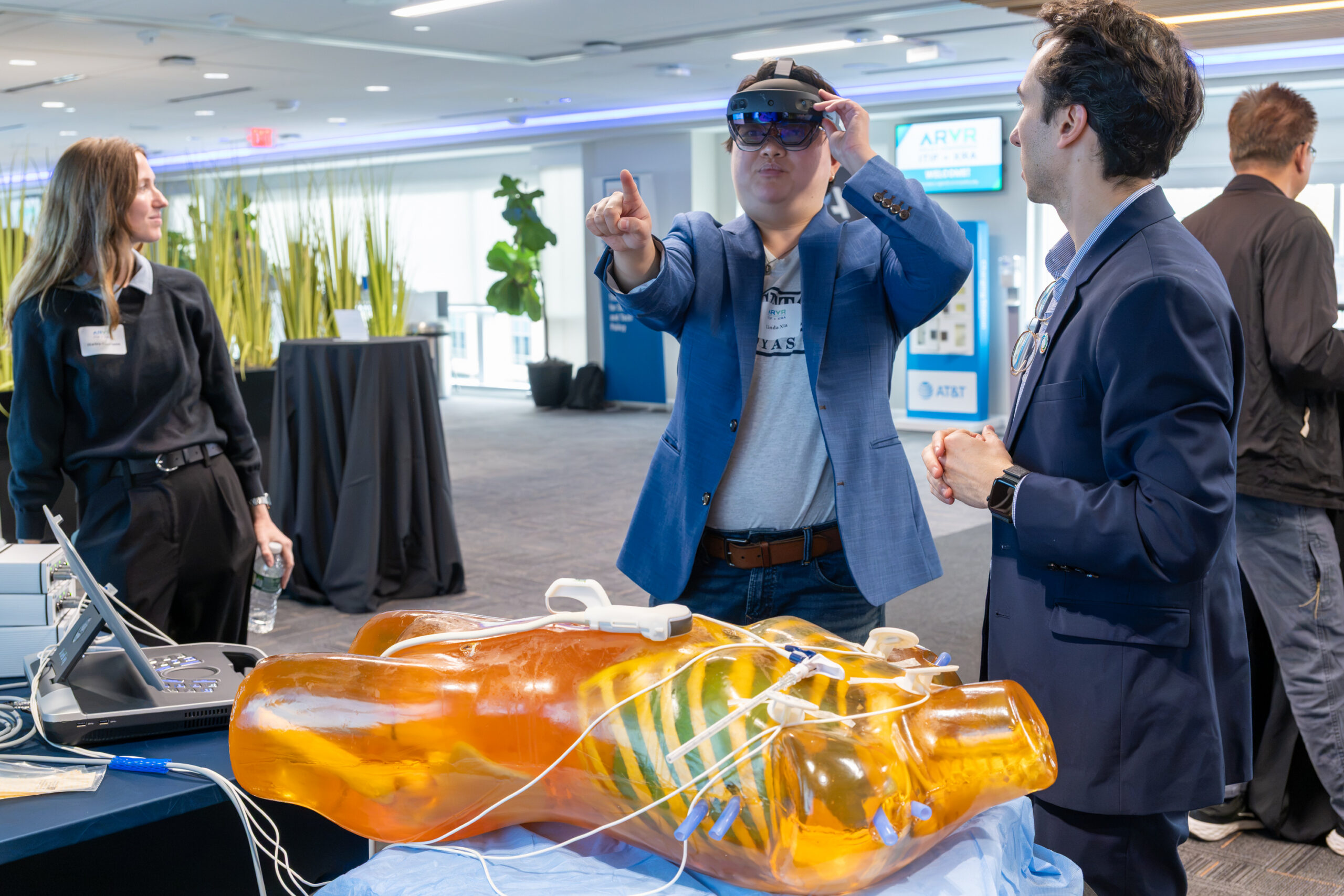
Washington, D.C. – On Thursday, September 24, 2026, the XR Association (XRA) and the Information Technology and Innovation Foundation (ITIF) co-hosted the sixth annual AR/VR Policy Conference in Washington, D.C., bringing together policymakers, industry leaders, researchers, and academics to examine the expanding role of immersive technology and the policy questions accompanying its adoption.
This year’s conference covered a wide range of issues shaping the XR industry, from open-source development and digital twins to AI-powered wearables, workplace accessibility, privacy, and state regulation. As XR becomes more closely integrated with AI and deployed across workplaces, public infrastructure, healthcare, and other sectors, speakers throughout the day focused on how policy can keep pace with the technology and support its continued growth.
Rep. John Mannion (NY-22) opened the conference with remarks highlighting immersive technology’s potential to strengthen workforce training and upskilling, setting the stage for a day focused on moving XR from promising applications toward broader deployment. Panelists discussed open-source XR, interoperability, data governance, and the importance of developing common standards that allow companies and developers to build across platforms.
RP1’s Sean Mann and Neil Trevett of the Metaverse Standards Forum built on those issues during a fireside chat about the Open Metaverse Browser Initiative and efforts to create an open foundation for the spatial web.
National security and resilience were also a major focus. A panel on digital twins examined how immersive technologies can bring together information across infrastructure monitoring, fleet readiness, disaster response, and emergency management to provide decision-makers and first responders with more useful real-time intelligence. Panelists discussed the need to break down data silos, develop common standards, and improve coordination across government, academia, and industry as the White House implements its National Digital Twins R&D Strategic Plan.
Julie Hocker, Assistant Secretary of Labor for Disability Employment Policy, continued the conversation in keynote remarks highlighting the potential for XR to provide visual, interactive, and kinesthetic learning experiences that meet a wider range of individual needs, as well as the importance of designing emerging technologies with accessibility in mind.
The conference also featured lightning talks from Gerry Vassar of Lakeside Educational Network, who discussed AI as a tool for human connection, and Kabir Kasargod of Qualcomm, who shared an industry perspective on emerging technologies and industry collaboration in healthcare.
The final panel turned to the growing state policy landscape. With federal AI legislation still developing, panelists examined how different state approaches to AI and biometric privacy are affecting the way XR products are designed and deployed. The discussion highlighted the challenges a fragmented regulatory environment can create for an industry built around nationwide scalability and considered how policymakers can provide stronger protections and greater consistency without limiting innovation.
Attendees were able to see many of these applications firsthand through demonstrations from Google, Transfr, MediView, and Reframe XR, showcasing uses of immersive technology across workforce development, healthcare, and spatial computing.
Now in its sixth year, the AR/VR Policy Conference remains an important forum for bringing together the people building immersive technologies and those shaping the policies that affect them. This year’s discussions made clear that as XR moves into more workplaces and critical sectors, questions around standards, accessibility, privacy, infrastructure, and regulation are becoming an increasingly important part of the industry’s growth.
Watch the full conference and panel discussions here.